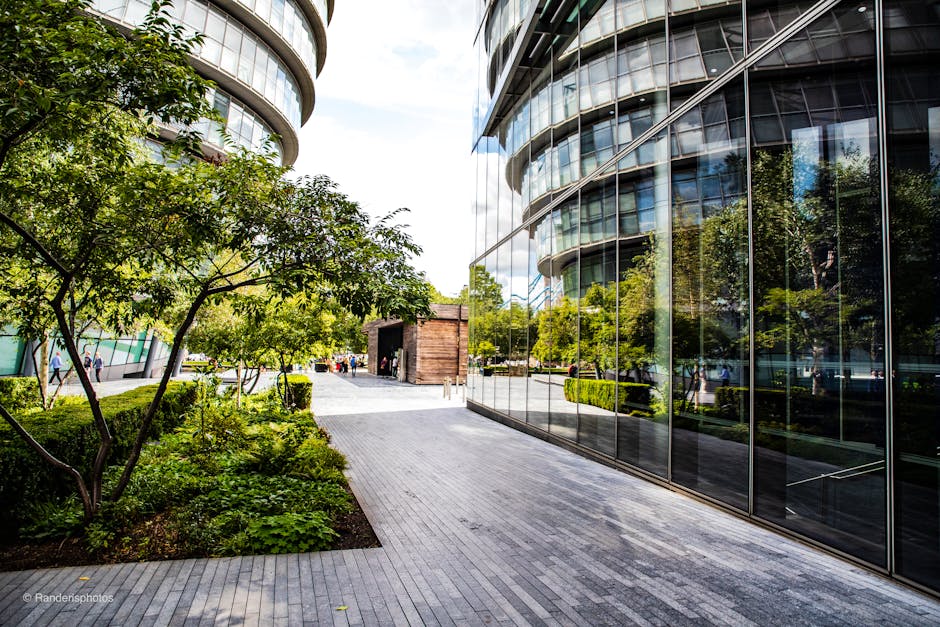
Garden maintenance experts Elephant Park Elephant and Castle SE1
If you're looking for Garden maintenance experts Elephant Park Elephant and Castle SE1, you're probably not after vague advice or a quick tidy-up that looks good for two days and then slides back into chaos. You want a garden that stays usable, neat, and genuinely pleasant to spend time in - even in a busy part of London where space, shade, drainage, and day-to-day foot traffic all play a part.
That is exactly where a proper maintenance service earns its keep. In Elephant Park and the wider Elephant and Castle SE1 area, gardens often need a practical, regular approach rather than a once-a-year overhaul. Think compact courtyards, communal planting, roof terraces, narrow access routes, and outdoor spaces that collect litter, leaf fall, moss, or weather damage faster than people expect. A good gardener sees all that at a glance. The best ones stay one step ahead of it.
In this guide, we'll break down what garden maintenance really involves, why it matters locally, how a professional service works, and what to look for before booking. You'll also find a checklist, a comparison table, and a few real-world examples from the kind of jobs that come up again and again. Nothing fluffy. Just useful, grounded advice.
Table of Contents
- Why Garden maintenance experts Elephant Park Elephant and Castle SE1 Matters
- How Garden maintenance experts Elephant Park Elephant and Castle SE1 Works
- Key Benefits and Practical Advantages
- Who This Is For and When It Makes Sense
- Step-by-Step Guidance
- Expert Tips for Better Results
- Common Mistakes to Avoid
- Tools, Resources and Recommendations
- Law, Compliance, Standards, or Best Practice
- Options, Methods, or Comparison Table
- Case Study or Real-World Example
- Practical Checklist
- Conclusion
- Frequently Asked Questions
Why Garden maintenance experts Elephant Park Elephant and Castle SE1 Matters
Local garden maintenance matters for a simple reason: gardens in inner London need consistency. A space that looks fine in spring can become patchy, overgrown, or waterlogged surprisingly quickly once summer heat, shaded corners, and regular use kick in. Elephant Park gardens, in particular, often sit within a denser urban setting, so they are affected by everything from wind tunnels between buildings to limited storage for tools and waste. It's a bit more demanding than your average back garden, to be fair.
There's also the human side. A well-kept garden changes how people use a property. Residents are more likely to step outside, water plants, keep furniture clean, and actually enjoy the space. In communal developments, maintenance also helps reduce friction between neighbours. No one really wants the "whose turn is it to clear the leaves?" conversation every other week.
On a practical level, garden care is about preventing small issues from becoming expensive ones. A neglected hedge can block light and become awkward to cut later. A lawn left too long can thin out, invite weeds, and turn uneven. Drainage problems often show up first as soggy patches or moss, and by the time they look obvious, the work is already harder. Regular upkeep is not glamorous, but it saves trouble. Usually.
If you're comparing wider service options, it helps to understand how maintenance sits alongside other tasks such as lawn mowing, hedge trimming, and garden clearance. Maintenance is the steady part; those other services often deal with the heavier lift or the more seasonal jobs.
How Garden maintenance experts Elephant Park Elephant and Castle SE1 Works
A professional garden maintenance service is usually structured around repeat visits, seasonal planning, and a clear list of tasks tailored to the site. That might sound obvious, but the quality difference between a general tidy and a proper maintenance plan is huge. One is reactive. The other is organised.
In practice, the work often starts with a walk-through. A gardener will look at lawn condition, hedge growth, pruning needs, planting health, borders, access points, waste handling, and any safety concerns. If the garden is part of a managed property, they may also note shared areas, resident access times, and any features that need careful protection, such as decking, lighting, or irrigation lines.
From there, the service can include regular mowing, edging, pruning, weed control, leaf clearance, bed maintenance, plant replacement, and light seasonal work. Some gardens need all of that. Others just need a lighter touch every couple of weeks. The point is to keep the space on an even keel so it never swings between overgrown and bare.
For more involved outdoor spaces, maintenance may be paired with landscaping or landscape gardening work, especially if there are drainage issues, poor planting choices, or awkward layouts that make upkeep harder than it should be.
A good team will also think about the long game. Which shrubs are outgrowing their position? Which plants are struggling because they're in the wrong light? Is the lawn getting compacted by regular use? These are the kinds of questions that separate routine maintenance from proper horticultural care.
Key Benefits and Practical Advantages
The benefits of regular garden maintenance go well beyond appearance. A neat garden is nice, yes, but a maintained garden is also safer, healthier, and far easier to live with.
- Better plant health: consistent pruning, feeding where needed, and weed control help plants compete and thrive.
- Less stress: you don't have to face a weekend of back-breaking catch-up work because the garden never got away from you.
- Improved kerb appeal: useful for homeowners, landlords, and managing agents alike.
- Safer pathways and borders: trimmed edges, cleared leaves, and controlled growth reduce trip hazards.
- More usable outdoor space: you can actually sit out, host people, or let children use the garden without wondering what is hiding in the grass.
- Lower long-term costs: keeping things under control is usually cheaper than rescuing an overgrown or neglected space.
There's also a mental benefit that people often underestimate. A tidy outdoor space can make a flat, maisonette, or townhouse feel calmer. You notice it on a grey morning when the bins are out, the rain has stopped, and the border still looks orderly. Small thing, but it changes the tone of the whole place.
If you want a broader service view, it may help to look at the services overview and the specific maintenance page, garden maintenance, to see how the work is typically organised.
Who This Is For and When It Makes Sense
Garden maintenance in Elephant Park and Elephant and Castle SE1 makes sense for a wide range of people, but the reasons vary.
Homeowners often want a dependable routine so the garden stays presentable without weekend catch-up. If you work long hours or travel often, regular visits can stop the space from slipping.
Landlords and property managers usually care about consistency, tenant satisfaction, and avoiding complaints. A shared garden left untidy becomes everyone's problem very quickly.
Busy families may just need the practical basics: mowing, pruning, weeding, and seasonal leaf control. Nothing fancy. Just manageable.
Older residents often value reliable help with physically demanding tasks such as hedge cutting or lifting green waste.
New residents can also benefit after moving into a property where the garden needs a reset, especially if the previous upkeep was patchy or uneven.
It can also make sense when you notice the same warning signs popping up: the lawn goes scruffy between cuts, weeds keep returning in the same beds, the hedge blocks light, or the patio starts collecting moss and debris. That's often the point where maintenance becomes a sensible investment rather than an optional extra.
Step-by-Step Guidance
If you're hiring garden maintenance experts, the process should feel straightforward. If it feels confusing, something is off. Here's a practical way to approach it.
- Assess the space honestly. Walk around the garden and note what really needs attention: lawn, borders, hedges, trees, soil condition, drainage, waste removal, access, and any safety concerns.
- Decide the maintenance frequency. Weekly, fortnightly, or monthly visits suit different gardens. In busy urban settings, a lighter but regular schedule often works better than irregular deep cleans.
- Prioritise the basics. Mowing, edging, pruning, and weed control usually come first. Decorative jobs can wait if the foundations are shaky.
- Check whether specialist work is needed. If there are overgrown shrubs, a tired lawn, or awkward structures, you may need help from services such as tree lopping and removal or decking services.
- Ask how waste is handled. Green waste should be removed responsibly and not simply dumped into a corner. A clean finish matters.
- Review the first visit carefully. The first session often reveals what the garden really needs. You'll learn a lot from the before-and-after contrast.
- Keep a simple seasonal plan. Spring, summer, autumn, and winter each bring different demands. A good gardener should adjust the work, not treat every visit the same.
One small but useful tip: if you're unsure where to begin, start with the most visible and most disruptive issues first. A path choked with leaves or a hedge swallowing the light affects your daily life immediately. The rest can follow.
Expert Tips for Better Results
Here are the kinds of things experienced gardeners tend to do without making a big song and dance about it.
Keep pruning measured. A heavy cut can shock shrubs or make a hedge look thin for months. Light, regular trimming is usually better than a dramatic once-off.
Don't overwater by habit. In sheltered city gardens, soil can hold moisture longer than people think. Check before watering. It sounds simple, but overwatering causes more mess than most people realise.
Match plant choice to the site. Shady corners, exposed terraces, and narrow borders all behave differently. A plant that looks perfect in a nursery may sulk in your actual garden. That's just life.
Keep paths and edges tidy. It sounds minor, yet clean edging makes even a modest garden feel more cared for. There's a visual crispness to it, especially after rain.
Book maintenance before the garden gets away. Once growth becomes tangled, the job takes longer and often costs more. Early attention is the easier road.
Use the right service for the right task. Maintenance is not the same as full redesign. If the garden layout is the real problem, you may need landscape gardening or broader landscaping rather than another tidy-up.
Expert summary: the best garden maintenance is calm, regular, and slightly unglamorous. It keeps the space looking good without making it look overworked. That balance is the whole trick.
Common Mistakes to Avoid
Most garden problems in urban areas do not begin dramatically. They creep in. A few missed cuts here, a bit of weed growth there, and suddenly the whole space feels tired.
- Waiting too long between visits. A neglected garden always takes more work to recover than to maintain.
- Cutting everything back at once. Harsh pruning can damage growth, especially if done at the wrong time.
- Ignoring borders and edges. People focus on the lawn and forget the rest. Then the whole place looks unfinished.
- Using the wrong tools for the job. Cheap tools or blunt blades can damage grass and make the work look ragged.
- Assuming all gardeners do the same thing. They don't. Some are better at routine care, some at clearance, some at design-led work.
- Not planning for waste. If nobody has thought through removal, the garden can end up looking neat for ten minutes and messy again straight after.
One easy-to-miss mistake is forgetting access. In Elephant Park-style developments, there may be stairwells, shared entrances, lift access, or rules about where equipment can be stored. A job can be perfectly planned and still feel awkward if access hasn't been considered. Tiny detail, big difference.
Tools, Resources and Recommendations
You don't need to become a gardening specialist yourself, but it helps to know what competent maintenance usually relies on.
Core tools often include a mower, strimmer, hedge trimmer, secateurs, pruning saw, rake, spade, hand fork, and sturdy bags or bins for waste. For some gardens, pressure cleaning or specialist treatment of surfaces may also be part of the wider care plan, though that should be used carefully and only where suitable.
What to ask before booking:
- What does a standard maintenance visit include?
- How do you handle garden waste?
- Can you adapt the schedule seasonally?
- Do you offer pruning, clearance, or planting support if needed?
- Are you insured and clear about site safety?
Useful supporting pages on the website include pricing and quotes for budgeting, insurance and safety for reassurance, and recycling and sustainability if you care about how green waste is handled. That last one matters more than people think.
If the garden has become heavily cluttered or full of cuttings, broken pots, and old growth, a one-off garden clearance may be the cleanest starting point before regular maintenance begins.
Law, Compliance, Standards, or Best Practice
This kind of work is usually practical rather than heavily regulated, but there are still sensible standards to follow. In the UK, garden maintenance should be carried out with care for health and safety, proper waste handling, and respect for neighbours and shared access. That includes keeping walkways clear, using tools safely, and not leaving sharp debris or loose material around after a visit.
If hedges or trees are close to boundaries, services should also be thoughtful about ownership, access, and any potential nuisance issues. That doesn't mean turning a straightforward job into a legal drama. It just means checking things properly before cutting.
For properties with communal areas, the best practice is to agree the maintenance scope in advance. What gets done, how often, who manages access, and where waste goes - these details stop confusion later. Not glamorous, but very necessary.
It's also good practice to work in line with the site's own policies, especially for larger buildings or managed developments. If you want to know more about the company's approach, the pages on health and safety policy and modern slavery statement show the sort of standards responsible operators should be thinking about. You may never need to ask about them directly, but it tells you a lot when they exist and are taken seriously.
Options, Methods, or Comparison Table
Different gardens need different approaches. Sometimes the right answer is a light maintenance visit. Sometimes it's a reset first, then ongoing care. Here's a simple comparison to make that clearer.
| Option | Best for | What it usually includes | Typical result |
|---|---|---|---|
| Routine maintenance | Gardens that are already under control | Mowing, edging, weeding, pruning, tidying | Stable, neat, easy to live with |
| Garden clearance first | Overgrown or cluttered spaces | Cut-back, waste removal, basic reset | Clean starting point for future care |
| Landscape-led improvements | Poorly laid-out or awkward gardens | Reshaping beds, fixing access, improving structure | More practical and easier to maintain |
| Seasonal maintenance plan | Gardens with changing needs through the year | Adjustments for growth, leaf fall, frost, and dry spells | Better long-term consistency |
In real life, many properties use a mix of these. A first clearance, then monthly maintenance, then a bit of planting or landscape adjustment later on. That's often the most sensible route. Nice and steady.
Case Study or Real-World Example
Here's a realistic example. A small courtyard in Elephant and Castle SE1 had become difficult to use. The lawn area was patchy, weeds had spread through the borders, and a hedge along one edge had started blocking light into the living room. Nothing catastrophic, but enough to make the whole space feel tired.
The first visit focused on clearance, basic shaping, and restoring definition to the space. Cuttings were removed, the hedge was reduced carefully rather than hacked back, and the main border weeds were brought under control. After that, the garden moved onto a simple maintenance plan: regular mowing where relevant, seasonal pruning, and a light tidy of the borders.
What changed? The space started to feel intentional again. It looked larger. The light improved indoors. Most importantly, it became easy to keep on top of. That last bit is the real win, because a good garden should not be something you dread opening the door to.
And yes, sometimes the most impressive result is simply this: it no longer looks like it needs a Saturday sacrificed to it.
Practical Checklist
Use this quick checklist before booking or planning maintenance.
- Have I identified the main problem areas?
- Do I need regular maintenance, a one-off clearance, or both?
- Is there enough access for tools and waste removal?
- Are there shared areas or neighbour sensitivities to consider?
- Do hedges, trees, or planting need specialist attention?
- Has the schedule been matched to the season?
- Do I know what the visit includes and excludes?
- Is there a sensible plan for clippings and green waste?
- Will the maintenance help me keep the garden usable, not just tidy?
Quick takeaway: if the garden is becoming harder to manage month by month, don't wait for it to become a full-scale recovery job. Regular attention is usually simpler, cleaner, and far less stressful.
Get a free quote today and see how much you can save.
Conclusion
Choosing Garden maintenance experts Elephant Park Elephant and Castle SE1 is really about protecting the value and usability of your outdoor space. In a local area where gardens are often compact, shared, or exposed to heavier day-to-day use, steady maintenance makes a real difference. It keeps things looking cared for, yes, but it also helps the garden function properly through the year.
The best maintenance feels almost invisible. The lawn stays even. The hedges stay tidy. The borders stay readable. Nothing is shouting for attention. That calm, balanced result is what you want, and it's what a good local gardener should aim for.
If your garden needs a reset, a maintenance plan, or just a more reliable way of staying under control, the next step is simple: get clear on what the space needs, then choose a service that can keep pace with it. Little and often, truth be told, is usually the winning approach.
And when you finally step outside on a quiet morning and the space just works, you'll be glad you sorted it properly.
Frequently Asked Questions
How often should garden maintenance happen in Elephant Park SE1?
It depends on the garden, but many urban spaces benefit from fortnightly or monthly visits. Fast-growing hedges, lawns, and borders may need more frequent attention in spring and summer.
What does a garden maintenance visit usually include?
Typical visits may include mowing, edging, weeding, pruning, deadheading, leaf clearance, and a general tidy. The exact scope should be agreed in advance so you know what is and isn't covered.
Do I need garden clearance before regular maintenance?
If the space is heavily overgrown or cluttered, yes, a clearance first often makes sense. It creates a clean baseline so routine maintenance can actually stay on top of the garden.
Can maintenance help a small courtyard garden?
Absolutely. Small gardens can look untidy very quickly, especially if plants spill into walkways or weeds appear in gaps. Regular, light-touch maintenance often works best in small spaces.
Is lawn mowing included in garden maintenance?
Often it is, but not always. Some services treat mowing as a separate task, so it's worth checking the scope. If needed, you can also look at the dedicated lawn mowing service.
What's the difference between landscaping and maintenance?
Maintenance keeps an existing garden in good condition. Landscaping changes the structure, layout, or features of the garden. If the space feels awkward or poorly designed, landscaping may be the better option.
Are garden maintenance services useful for landlords or managing agents?
Yes, very. Regular maintenance helps keep communal or rental properties presentable, reduces complaints, and makes outdoor spaces easier to manage between tenancies.
What should I ask before hiring a gardener?
Ask what is included, how often visits happen, how waste is removed, whether specialist pruning is available, and whether the work is covered by appropriate insurance and safety procedures.
How do I know if my garden needs more than maintenance?
If the garden keeps slipping back into disorder, has poor drainage, large structural issues, or overgrown trees and hedges, you may need clearance, pruning, or broader landscaping support rather than routine upkeep alone.
Can maintenance improve drainage or moss problems?
It can help manage the symptoms, like clearing debris and improving airflow, but persistent drainage problems may need a more detailed assessment. Maintenance is helpful, but it is not a magic wand. Sadly.
What happens if the garden has shared access or neighbour restrictions?
A professional service should work around access times, noise sensitivity, and shared-use arrangements. In busy developments, a little coordination goes a long way and prevents awkward moments.
How do I get the best value from ongoing garden maintenance?
Be consistent, keep the scope clear, and pair regular visits with seasonal adjustments. A small amount of ongoing care usually costs less and performs better than waiting until the garden becomes difficult to manage.
Where can I learn more about the company's approach to pricing and safety?
You can review the pages on pricing and quotes, insurance and safety, and health and safety policy for a clearer picture of expectations and working standards.