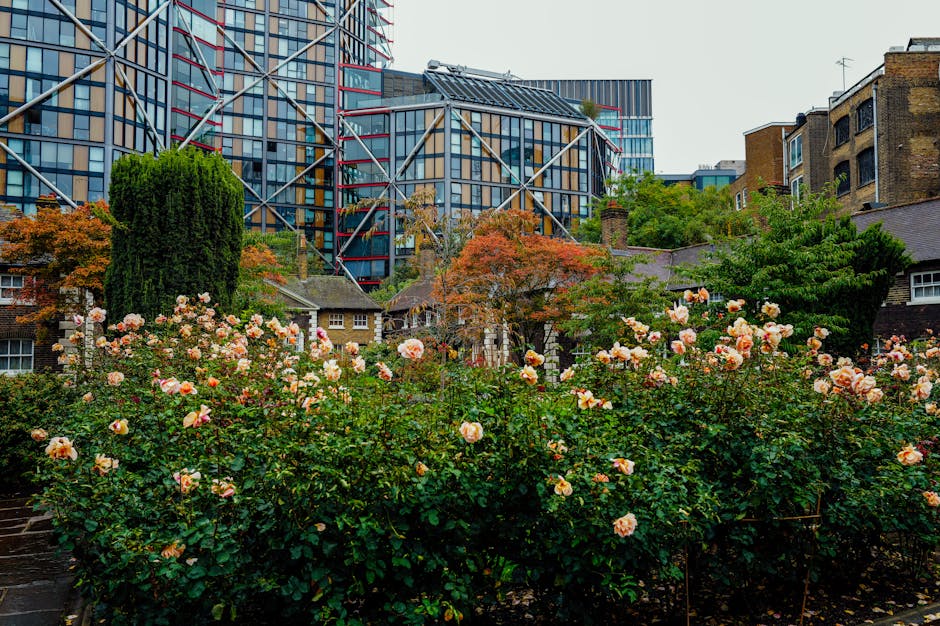
Heygate Estate gardeners and garden care guide Elephant and Castle
If you live on or around Heygate Estate, you already know the garden situation can change fast. One week everything looks tidy and manageable; the next, the space is dealing with shade, wind tunnels, compacted soil, overgrown edges, or containers that have gone from cheerful to slightly defeated. This Heygate Estate gardeners and garden care guide Elephant and Castle is here to make sense of it all. Whether you want a cleaner courtyard, a healthier lawn, sharper hedges, or simply a garden that does not feel like a second job, the right approach can make a real difference.
Truth be told, garden care in central London is rarely about one dramatic fix. It is usually about steady, practical upkeep, and a few smart choices made at the right time. In this guide, you will find clear advice on what matters, how it works, common mistakes to avoid, and when it makes sense to bring in professional help such as garden maintenance support or a broader services overview.
Think of this as a field guide for everyday garden care around Elephant and Castle: useful, realistic, and shaped by the way London outdoor spaces actually behave. Not picture-perfect. Just better. And that, to be fair, is what most people really want.
Why Heygate Estate gardeners and garden care guide Elephant and Castle Matters
Heygate Estate sits in an area where outdoor space is precious. Many gardens and terraces around Elephant and Castle are compact, partially shaded, overlooked, or shaped by the practical realities of urban living. That matters because small spaces magnify both good decisions and bad ones. Miss a few weeks of pruning, and the whole place can feel cluttered. Ignore drainage, and you may end up with soggy corners and patchy growth. Choose the wrong plants, and they will sulk through winter and scorch in summer. London gardens can be dramatic like that. A little unforgiving, honestly.
Good garden care is not just about appearance. It supports plant health, makes outdoor space safer and easier to use, and helps you get value from the space you already have. If you are trying to create somewhere calm for a morning coffee, a place for children to play, or a tidy view from the kitchen window, routine care is what keeps all of that possible.
There is also a wider practical point. In dense residential settings, one neglected garden can spill over into neighbouring spaces: overhanging hedges, leaf fall, blocked paths, and noise from rushed weekend catch-up work. A steady maintenance rhythm is easier for everyone involved. No drama. No panic cutbacks with a blunt pair of shears at 8am on a Sunday.
If you want a service layer that fits this kind of ongoing care, it helps to understand the options first. A good starting point is garden clearance for major resets, then regular upkeep afterwards. That combination is often what turns an awkward patch into a usable garden again.
How Heygate Estate gardeners and garden care guide Elephant and Castle Works
At its core, local garden care works by matching the task to the season, the space, and the condition of the garden. There is no one-size-fits-all routine. A north-facing courtyard with heavy shade needs a different plan from a sunny communal border, and a neglected front area needs a different start from a healthy but busy family garden.
A sensible garden care process usually begins with observation. What is growing well? What looks stressed? Where does water sit after rain? Which plants are competing with each other? Which parts of the garden are simply messy, and which are actually unhealthy? These are small questions, but they change the entire plan.
From there, the work typically breaks into a few strands:
- Clearing and tidying - removing dead growth, litter, fallen leaves, and awkward debris.
- Cutting and shaping - mowing, hedge trimming, border edging, and selective pruning.
- Soil care - improving topsoil, refreshing mulch, checking drainage, and feeding where needed.
- Plant selection - choosing species that cope with shade, exposure, pollution, or limited root space.
- Routine maintenance - keeping on top of growth before it becomes a bigger job.
If you are looking beyond basic upkeep, a more design-led approach may involve landscape gardening or broader landscaping work. That is especially useful if the space needs to be rethought rather than simply maintained.
In practical terms, the process is a cycle: assess, tidy, improve, and maintain. Simple enough on paper. In real life, it takes judgement, especially in a city where a plant can be in full sun for two hours and in shade for the rest of the day. Welcome to London gardening.
Key Benefits and Practical Advantages
The biggest benefit of consistent garden care is control. Not control in a rigid, obsessive sense. Just enough control that your outdoor space feels intentional instead of accidental. That difference is huge.
Here are the main advantages people usually notice first:
- Better kerb appeal - a tidy frontage or shared garden immediately lifts the look of a property.
- Healthier plants - regular pruning, feeding, and watering tend to produce stronger growth.
- Safer access - fewer trip hazards, clearer paths, and less overgrowth around entrances.
- More usable space - even a small courtyard feels larger once it is properly organised.
- Less stress - maintenance is far easier than rescuing a garden that has run away from you.
There is also a quieter benefit: the garden starts to feel like a place you belong in. You notice the scent of damp soil after rain, the sound of clipped branches hitting the bag, the way morning light falls across a clean border. Small things, but they matter.
For many households, regular work such as lawn mowing and hedge trimming does most of the visual heavy lifting. Keep those two jobs under control and the whole garden tends to feel calmer.
Expert summary: in a busy urban setting like Elephant and Castle, the best garden care is usually not the fanciest. It is the most consistent. Keep the ground clear, the edges defined, the plants suited to the site, and the work light but regular. That is the sweet spot.
Who This Is For and When It Makes Sense
This guide is useful if you are a homeowner, landlord, tenant, managing agent, or resident with access to a shared or private outdoor area around Heygate Estate. It is especially relevant if your garden is small, partly shaded, or just a little neglected after winter.
It also makes sense if you are deciding between doing the work yourself and hiring help. Not every garden needs a major intervention. Sometimes a sensible maintenance plan is enough. Other times, you need a reset first, especially if the space is full of bindweed, brambles, self-seeded trees, broken pots, or forgotten furniture. We have all seen gardens where a wheelbarrow looks like the only thing that should live there for a while.
As a rough guide:
- DIY works best for light, regular tasks and small tidy-ups.
- Professional support helps when the work is time-sensitive, physically demanding, or beyond basic upkeep.
- Specialist services are worth considering for tree work, heavy clearance, structural changes, or overgrown boundaries.
If the garden has become difficult to manage, start by thinking about whether you need maintenance or a one-off reset. A careful clear-out can make the next phase much easier, and garden clearance can be the right first move before any finer work begins.
Another common scenario is a new tenant or homeowner inheriting a garden that was fine once, but is now just a bit tired. In that case, a practical plan matters more than a grand redesign. Start simple. You do not need to turn it into Kew Gardens by Friday.
Step-by-Step Guidance
If you want a workable approach for Heygate Estate gardens, use this order. It keeps the job manageable and stops you from doing busywork before the real problems are sorted.
- Walk the garden slowly
Check where water pools, where plants struggle, and where access feels awkward. Look at the whole space before touching anything. - Remove waste and dead material
Clear leaves, broken stems, spent annuals, and any litter. This gives you a proper view of the garden. - Cut back growth strategically
Do not shear everything flat. Remove the worst of the overgrowth first, then shape the rest. If the boundary hedge is out of hand, bring it back in stages. - Define edges and paths
A clean edge along a bed, paving run, or path instantly makes the garden feel more ordered. - Check plant health
Look for yellowing leaves, brittle stems, compacted soil, or signs of poor drainage. These often explain why a plant is underperforming. - Improve the growing conditions
Add compost where needed, mulch bare areas, and loosen compacted soil carefully. - Set a maintenance rhythm
Decide what needs weekly, monthly, and seasonal attention. This is the bit people skip. Then they wonder why the garden keeps slipping.
For example, a small courtyard might need weekly watering in hot spells, fortnightly tidying, monthly light pruning, and a bigger tidy-up at the turn of each season. A larger front garden may need less watering but more boundary control and leaf management.
When trees are affecting light, drainage, or safety, it may be time to consider tree lopping and removal. That kind of job should be handled with care, because once a tree is reduced badly, it can take years to recover. Better to be measured than enthusiastic.
Expert Tips for Better Results
A few small habits make a huge difference in urban garden care. Some are obvious. Some are the kind you only learn after wrestling with a stubborn shrub in drizzle.
- Prune with a purpose. Every cut should improve shape, airflow, light, or health. If you are just taking off green bits because they annoy you, pause.
- Use the right plant for the right place. Shady, sheltered, windy, and dry sites each need different planting choices. This is where a lot of garden disappointment starts.
- Do little and often. Short sessions beat exhausting all-day jobs. The garden responds better, and so will your back.
- Keep a bag or tub for debris nearby. It sounds minor, but it stops tidy-up work from spreading across the whole space.
- Mulch bare soil. It helps hold moisture, suppress weeds, and improve appearance at the same time.
- Leave some room to grow. Overcrowding is common in city gardens because people want instant fullness. Plants do not always agree.
One practical example: if a border looks thin and patchy, the instinct is often to cram in more plants. Sometimes the smarter move is to improve the soil, cut back competition, and wait one season before adding anything new. Not glamorous, but effective.
Also, if you are working near paving, decking, or communal walkways, think about finishes as much as plants. A clean transition from soft to hard landscaping makes the whole space read better. If that is part of your plan, decking services can be relevant alongside planting and maintenance.
Common Mistakes to Avoid
Garden care tends to go wrong in predictable ways. The good news? They are all fixable, especially if you catch them early.
- Cutting everything at once. Severe chopping can shock plants and leave the space bare for too long.
- Ignoring soil quality. A tidy top layer can hide poor drainage or exhausted soil underneath.
- Choosing high-maintenance plants for low-attention spaces. Lovely in theory, frustrating in practice.
- Letting weeds seed freely. This creates more work later, always.
- Skipping seasonal checks. A quick look in spring and autumn saves a lot of trouble.
- Using power tools without thinking about neighbours. Timing matters in dense housing. So does noise. A lot, actually.
There is also the temptation to treat every job as cosmetic. A patch of yellow grass or a leaning shrub is often a symptom, not the problem itself. You need to ask why it looks that way. Is it shade? Compaction? Waterlogging? Root competition? If you fix the cause, the garden usually improves much faster.
Another common mistake is overlooking waste disposal. After a clear-out, you need a plan for green waste, broken materials, and reusable items. Responsible disposal keeps the whole process cleaner and less stressful. It also makes the next visit far easier.
Tools, Resources and Recommendations
You do not need a van full of kit to keep a garden in shape, but having the right basics saves time and effort.
| Task | Useful tools | What to watch for |
|---|---|---|
| General tidy-up | Gloves, rake, bags, secateurs | Do not overfill bags; keep debris separate where possible |
| Border work | Hand fork, trowel, edging tool | Avoid disturbing roots too aggressively |
| Grass care | Lawn mower, edging shears | Cut when the grass is dry enough, not soaked |
| Hedge shaping | Hedge trimmer, loppers, shears | Check for nesting birds before significant work |
| Tree and large shrub work | Pruning saw, long-reach tools | Use caution; some jobs are better left to professionals |
For regular upkeep, a good practical combo is mowing, edging, clipping, and waste removal. That covers the visual basics. If the garden also has structural issues or tired hard landscaping, you may need a broader service mix. In that case, it can help to review landscape gardening alongside maintenance planning.
If you are comparing service options, start by looking at the scale of the job, how urgently it needs doing, and whether the work is routine or corrective. A smaller property might only need simple upkeep; a neglected shared area may need a more coordinated approach. Not every garden wants the same answer. Annoying, but true.
Law, Compliance, Standards, or Best Practice
In the UK, garden work is usually guided more by practical best practice than by one single rulebook, but there are still important standards and responsibilities to think about.
First, health and safety matters. Anyone using sharp tools, ladders, saws, or heavy equipment should take sensible precautions. That includes checking the area before work starts, using the right kit, and avoiding rushed decisions when a branch, wall, or boundary is in play. If a contractor is involved, it is reasonable to ask how they manage safety and insurance. A trustworthy provider should be comfortable discussing that.
Second, wildlife considerations matter, especially during nesting season. Before cutting hedges or removing vegetation, it is wise to check for signs of active bird nests or other nesting wildlife. If there is doubt, stop and reassess. It is a small delay that can prevent a lot of trouble.
Third, waste should be handled responsibly. Green waste, soil, timber, and broken garden materials should be sorted and disposed of properly. Reuse and recycling are not just nice ideas; they are part of sensible site management. If sustainability matters to you, it is worth asking about recycling and sustainability practices before any job begins.
Finally, if you are hiring help, clear terms are a sign of professionalism. That includes pricing clarity, communication, and expectations around access, timing, and scope. Pages such as pricing and quotes, terms and conditions, and insurance and safety are useful touchpoints when you want to understand how a provider works.
Options, Methods, or Comparison Table
If you are deciding how to manage a Heygate Estate garden, the main question is usually whether to maintain, clear, or redesign. Each has its place.
| Approach | Best for | Pros | Limits |
|---|---|---|---|
| Routine maintenance | Gardens already in decent shape | Keeps things tidy, predictable, and manageable | Not enough if the garden is seriously overgrown |
| One-off clearance | Neglected, cluttered, or unsafe spaces | Creates a clean starting point quickly | Does not solve the underlying maintenance need |
| Landscape gardening | Spaces needing reshaping or better use | Improves layout, flow, and long-term usability | Usually takes more planning and budget |
| Full landscaping | Major redesigns or hard/soft garden upgrades | Can transform how the space functions | Longer lead time and more coordination |
A sensible route for many people is: clear first, maintain second, improve third. That order keeps you from spending money on polish before the fundamentals are sorted. It is a bit like cleaning the kitchen before redecorating it. Obvious, yes. But people skip it all the time.
If your garden is mainly functional and needs reliable upkeep, maintenance services are usually the right fit. If the space is fundamentally awkward, then layout changes may be more valuable than frequent patch-up work.
Case Study or Real-World Example
Imagine a small rear garden near Heygate Estate that has been left alone for a couple of seasons. The hedge has grown unevenly, a few shrubs are crowding the path, the lawn is patchy, and there is a corner full of dead stems and old pots. Nothing shocking. Just enough to make the whole space feel a bit defeated.
The first step would be a clearance pass. Remove debris, dead growth, and anything that is clearly no longer serving the garden. Next comes selective pruning, not a blanket hack-back. The hedge is lifted to an even shape, the path edge is restored, and the lawn is given a proper mow once conditions are right. After that, the soil is checked, bare patches are improved, and the plant choices are reviewed so the garden is not overburdened by shade-loving or drought-sensitive species in the wrong places.
What changes most is not just the look. It is the feel. The garden suddenly becomes legible again. You can see where to walk, where to sit, where to plant, and where to stop. That clarity matters. It turns a stressful outdoor area into something you can actually use on a Tuesday evening with a mug of tea and a few minutes to spare.
In situations like that, the best outcome is usually not perfection. It is momentum. Once the space is manageable, it becomes easier to keep it that way.
Practical Checklist
Use this quick checklist before, during, or after garden work around Heygate Estate:
- Check the garden in daylight so you can see real problem areas.
- Remove litter, dead plants, and loose debris first.
- Decide whether the job is maintenance, clearance, or redesign.
- Trim hedges and shrubs with a clear shape in mind.
- Mow lawns only when conditions suit the turf.
- Inspect soil, drainage, and shaded corners for hidden issues.
- Keep pathways and access points clear.
- Sort green waste and reusable items properly.
- Review what needs weekly, monthly, and seasonal attention.
- Ask for professional help if the job involves height, heavy growth, or safety concerns.
Practical takeaway: the best garden care plan is the one you can actually keep. A modest routine done well will beat a heroic clean-up you never have time to repeat.
Conclusion
Heygate Estate gardens and outdoor spaces in Elephant and Castle work best when they are treated with steady, realistic care. That means understanding the site, choosing the right kind of maintenance, and fixing the things that keep creating friction: overgrowth, poor drainage, untidy edges, and mismatched planting. You do not need to do everything at once. You just need a plan that respects the space and the way you use it.
If you are weighing up a tidy-up, a clearance, or a longer-term improvement project, start with the basics and build from there. A calm, well-kept garden is not a luxury in a dense London setting. It is a proper quality-of-life improvement. And once you have it sorted, you really notice the difference in the everyday little moments.
Get a free quote today and see how much you can save.
Frequently Asked Questions
What makes garden care around Heygate Estate different from other areas?
Gardens around Heygate Estate often deal with limited space, shade, wind exposure, and heavy use. That means maintenance needs to be practical and regular rather than occasional and ambitious.
How often should a garden in Elephant and Castle be maintained?
It depends on the size and style of the garden, but most urban spaces benefit from light weekly or fortnightly attention, with deeper seasonal work a few times a year.
Do I need garden clearance before routine maintenance?
If the space is overgrown, cluttered, or difficult to access, yes. Clearance makes maintenance far easier and often cheaper in the long run.
Is lawn care realistic in a small London garden?
Yes, but the lawn needs to suit the site. In shadier or heavily used spaces, smaller lawns or low-maintenance alternatives may be more practical.
What should I do about an overgrown hedge near a boundary?
Trim it back carefully in stages and avoid taking too much off at once. If the hedge is very tall or awkwardly placed, professional help is often the safer choice.
Can I improve a neglected garden without redesigning it completely?
Absolutely. A thorough tidy, better pruning, improved soil care, and a sensible maintenance schedule can transform a garden without major building work.
When is the best time to prune or cut back plants?
It depends on the plant type, but the general rule is to prune with the season and plant health in mind. Avoid hard cutting during periods when wildlife may be nesting.
What are the main signs a garden needs professional help?
Difficulty accessing the space, unsafe branches, major overgrowth, drainage problems, or work that needs specialist tools are all good signs to bring in help.
How can I keep a small courtyard from looking messy all the time?
Use a simple routine: clear debris, define edges, choose fewer but better-suited plants, and keep containers tidy. Small spaces look best when the layout stays disciplined.
Should I choose maintenance or landscaping first?
If the garden is in decent shape, maintenance may be enough. If the space is awkward, poorly laid out, or no longer functional, landscaping could be the better first step.
Are sustainability and waste handling important in garden care?
Yes. Recycling green waste, reusing suitable materials, and avoiding unnecessary disposal are all sensible parts of responsible garden management.
How do I know if a quote is fair for garden work?
Compare the scope of work, not just the headline price. A fair quote should reflect access, complexity, waste removal, safety needs, and whether the work is one-off or ongoing.
If you are ready to make your outdoor space easier to live with, a thoughtful plan now can save a lot of effort later. And honestly, that first tidy-up often feels better than you expect.