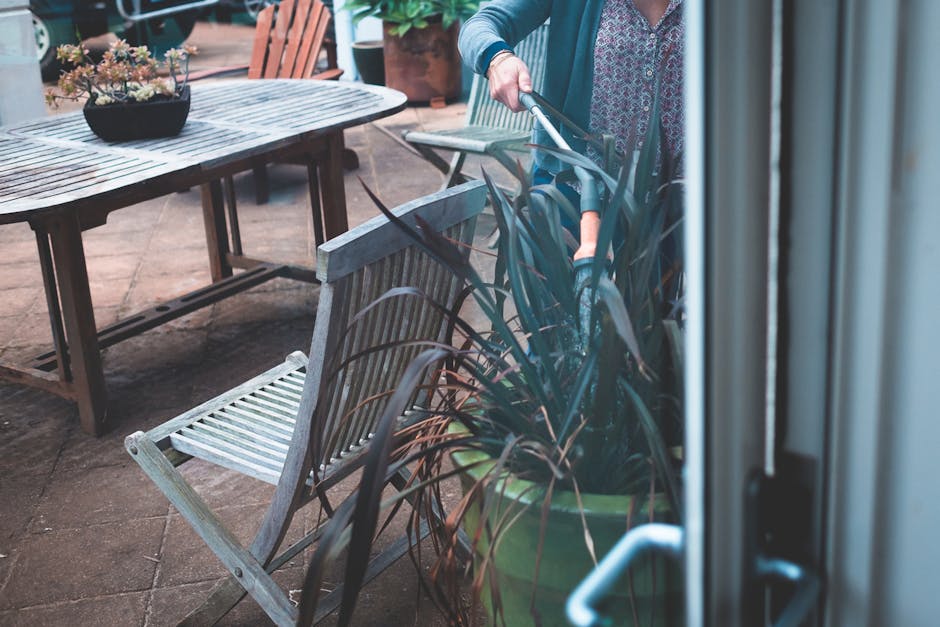
Walworth Road gardeners for fast garden tidy Elephant and Castle
If your garden has slipped into the kind of mess that makes you sigh before you even open the back door, you are not alone. Leaves pile up, borders get shaggy, bins overflow, and suddenly the whole space feels heavier than it should. Walworth Road gardeners for fast garden tidy Elephant and Castle is exactly the kind of help people look for when they need a garden brought back under control quickly, without the fuss of a long project.
This guide explains what a fast garden tidy usually includes, how the work is approached, when it makes sense to book it, and what separates a proper tidy-up from a rushed once-over. It also covers practical expectations, common mistakes, and the sort of details that matter in a busy South London setting where time, access, and clear communication really do count.
To make things easier, we have also woven in useful internal references to related services and trust pages, including services overview, garden clearance, and garden maintenance where they help the reader move from tidy-up to a longer-term plan.
Truth be told, a good garden tidy is part technique and part judgement. Anyone can sweep a path. The real skill is knowing what to cut back, what to leave, what can be safely cleared in one visit, and how to leave the place looking cared for rather than stripped bare.
Below, you will find a practical, local-minded breakdown that should help whether you are preparing for visitors, recovering from a season of neglect, or just trying to get your outdoor space back to something calm and usable. And yes, it can be done fast, but still properly.
Table of Contents
- Why Walworth Road gardeners for fast garden tidy Elephant and Castle Matters
- How Walworth Road gardeners for fast garden tidy Elephant and Castle Works
- Key Benefits and Practical Advantages
- Who This Is For and When It Makes Sense
- Step-by-Step Guidance
- Expert Tips for Better Results
- Common Mistakes to Avoid
- Tools, Resources and Recommendations
- Law, Compliance, Standards, or Best Practice
- Options, Methods, or Comparison Table
- Case Study or Real-World Example
- Practical Checklist
- Conclusion
- Frequently Asked Questions
Why Walworth Road gardeners for fast garden tidy Elephant and Castle Matters
Fast garden tidy work matters because outdoor spaces tend to deteriorate quietly. It starts with one untidy corner, then a few weeds, then some hedge growth that gets away from you, and before long the whole garden looks tired. In a city area like Elephant and Castle, that can affect more than appearances. It can make a small garden feel even smaller, block paths, attract litter, and create a sense of disorder that spills into the rest of the home.
Walworth Road gardeners for fast garden tidy Elephant and Castle is a useful search because it points to a clear need: someone local, responsive, and able to deal with practical mess quickly. That might mean a one-off tidy before a move, a reset after a long wet spell, or a rapid clean-up after a period when work, family, or travel simply got in the way. Life happens. Gardens notice.
There is also a big difference between a quick tidy and a superficial tidy. A proper fast tidy does not just make the garden look presentable from one angle. It removes obvious clutter, trims back overgrowth, restores visibility, and leaves the space easier to manage next time. That matters if you want the garden to feel usable rather than merely swept around.
Local knowledge helps too. Tight side access, shared entrances, basement gardens, and compact terraces are all part of the reality around Walworth Road and nearby parts of Elephant and Castle. A gardener who works in these conditions regularly will usually be better at planning loading, waste movement, and time on site. Less wandering around. More actual progress. Nice and simple.
For people wanting a broader service relationship rather than a one-off visit, it is often worth looking at ongoing garden maintenance alongside urgent tidy work. That way, the garden is not just rescued once and forgotten again by next season.
Expert summary: a fast garden tidy should restore order, improve safety, and make the garden easier to maintain afterwards. If it only hides the mess, it has not really solved the problem.
How Walworth Road gardeners for fast garden tidy Elephant and Castle Works
A fast garden tidy usually starts with a quick assessment. The gardener looks at what needs immediate attention, what can be cut back safely, what requires clearance, and whether there are any awkward items such as broken pots, wet debris, heavy branches, or climbing growth tangled through fencing. That first look matters more than people think. You cannot tidy properly if you have not worked out what is actually there.
From there, the work is usually organised into a few practical stages:
- Clear access - paths, gates, steps, and work areas are opened up so the space can be used safely.
- Remove loose waste - leaves, light debris, dead plants, and surface clutter are gathered first.
- Cut back overgrowth - shrubs, hedges, and stray growth are trimmed to bring shape back.
- Edge and define - borders, lawn edges, and visible boundaries are sharpened for a tidier finish.
- Collect and load waste - the cuttings and rubbish are bagged or loaded for responsible disposal.
- Final walk-through - the space is checked for overlooked areas and any follow-up issues.
If the job is bigger than a quick tidy, it may transition into a more intensive garden clearance visit. That is often the better route when a garden has been left for months, has heavy bramble growth, or needs a proper reset rather than a light refresh.
In some cases, a tidy-up also overlaps with specialist tasks. A hedge that is swallowing the path may need hedge trimming. A lawn that has become patchy and shaggy may benefit from lawn mowing. A tree dropping limbs or blocking light could require tree lopping and removal. The best gardeners do not force everything into one bucket. They match the task to the condition of the garden.
One small but important point: a fast tidy should still leave the garden breathable. You want to see paths, edges, and shape again. Not that over-clipped, bare look that makes the space feel a bit startled. You know the one.
Key Benefits and Practical Advantages
The biggest benefit is obvious: your garden looks and feels better quickly. But the practical gains go beyond appearance. A proper fast tidy can reduce trip hazards, improve access, stop debris from building up near drains or thresholds, and make the space easier to enjoy on the same day. That is a real quality-of-life improvement, not just a cosmetic one.
Here are the main advantages people usually notice:
- Faster turnaround - useful when you need the garden ready for visitors, tenants, a sale, or simply your own peace of mind.
- Better usability - patios, lawn edges, and pathways become easier to walk through and maintain.
- Lower stress - it is surprisingly calming to look out at a space that feels under control again.
- Healthier follow-up care - once overgrowth and clutter are removed, maintenance becomes more manageable.
- Improved presentation - especially valuable for homes with front or rear garden visibility from the street or shared walkways.
There is also a commercial angle. If you are letting a property, preparing for inspection, or trying to create a decent first impression, tidy gardens matter. They can shape how the whole property is perceived. No one walks in and says, "Lovely lounge, shame about the jungle outside," but that is often the kind of impression people take away, quietly.
For customers who want a long-term rhythm rather than a one-off rescue, combining tidy work with a seasonal plan is sensible. Services such as garden maintenance and lawn mowing can stop the garden slipping back into chaos after the initial clear-up.
| Need | Best-fit approach | Typical result |
|---|---|---|
| Messy but manageable garden | Fast tidy | Cleaner, sharper, easier to live with |
| Heavy overgrowth and clutter | Garden clearance | Space opened up and reset |
| Regular upkeep | Ongoing maintenance | Less regrowth and fewer big jobs later |
| Boundary or privacy issues | Hedge trimming or landscape advice | Better shape, visibility, and structure |
Who This Is For and When It Makes Sense
This kind of service is for people who need the garden improved without waiting weeks for a complicated project. It suits homeowners, landlords, tenants, property managers, and anyone who has looked at the outside space and thought, "Right, this needs sorting now." Very normal feeling, by the way.
It makes sense in a few common situations:
- Before guests arrive - especially for family gatherings, parties, or events at home.
- Before moving in or out - a tidy garden helps the property present properly.
- After a busy period - if you have been away, unwell, or just too occupied to keep up.
- After bad weather - wind, rain, and leaf fall can make a garden look rough in no time.
- For rental properties - where a quick tidy can improve the whole tenant or viewing experience.
- For older or inaccessible gardens - where overgrowth has made the area awkward to manage alone.
It is also useful for people who do not want a complete redesign. Not every garden needs landscaping. Sometimes you just want the place to stop looking neglected. That is a fair and sensible goal. If later you decide the space needs a more structural upgrade, then landscape gardening or broader landscaping can come into the picture.
To be fair, some people wait too long because they think the job has to be "worth calling someone out" for. It does not. A tidy that saves you half a day, reduces stress, and gets the space usable again is absolutely worth it.
Step-by-Step Guidance
If you are planning a fast garden tidy, a simple process helps. You will usually get a better result if you know what you want before anyone arrives. It does not need to be technical. Just practical.
1. Walk the garden and identify the problem areas
Look at the garden in sections. What is causing the biggest mess? Is it leaf build-up, hedge growth, weeds, scattered pots, or a lawn that has grown too long? A quick visual scan in the morning light can be revealing. The things you do not notice in the evening often jump out once the sun is up.
2. Decide what "tidy" means for you
For one person, tidy means a clean path and clipped edges. For another, it means the whole space is usable and clear enough for children, pets, or visitors. Be clear. A fast job can still be tailored, but only if the goal is obvious.
3. Separate keep, remove, and cut-back items
It helps to distinguish between waste, plant material that should stay, and areas that just need reduction. That avoids accidental over-cutting. Gardens recover, sure, but no one wants to lose a healthy shrub because the brief was a bit vague.
4. Check access and waste handling
Think about where tools, bags, and cuttings will go. In tight London gardens, this can make or break the job. If there is a narrow side return or awkward rear access, say so early. A good gardener will plan around it.
5. Ask for a finish that matches the space
Some gardens look best with a neat, minimal tidy. Others need a softer, more natural shape. If the garden has mature planting, for example, over-trimming can make it look harsh. A balanced finish is usually the sweet spot.
6. Follow up with light maintenance
Once the space is tidy, keep it that way with small habits: sweeping, deadheading, cutting back small bits before they become big bits, and booking periodic care. If needed, a standing maintenance plan is often simpler than waiting for the next full reset.
Expert Tips for Better Results
There are a few things that make a noticeable difference, and most of them are not complicated.
- Prioritise edges - clean edges around lawns, beds, and paths make the whole garden feel better straight away.
- Don't overcut hedges and shrubs - a harsh cut can make the garden look bare and stressed.
- Work top-down where needed - if there is loose debris in trees, hedges, or raised beds, start above and work down.
- Clear sightlines - opening up paths and corners makes a garden feel larger and safer.
- Use the season wisely - after heavy leaf fall or during strong growth periods, the wrong approach can create extra work later.
- Keep a small waste buffer - in urban gardens, more waste often appears than people expect. Always slightly over-plan.
A good practical habit is to think in layers: first remove clutter, then shape growth, then refine the visible parts. It sounds basic because it is basic. But basic done well is often what separates a decent tidy from a disappointing one.
If the job involves hard surfaces, a cleaner finish around decking or patio features can also help. That is where decking services may be relevant if there is repair, improvement, or replacement work to consider later on. No need to leap straight there, of course. Just keep it in mind if the garden's bones need attention too.
Common Mistakes to Avoid
Fast work is useful, but it can go wrong if the wrong things are rushed. Here are the mistakes we see most often.
- Confusing tidy with clearance - if the garden is genuinely overgrown, a quick tidy may not be enough.
- Not mentioning access issues - narrow passageways, locked gates, or no parking can affect timing a lot.
- Letting hedges go too long - big hedge jobs are harder to do neatly in a rush.
- Ignoring waste volume - green waste grows fast once cut back. Much faster than people expect, honestly.
- Over-trimming in the name of neatness - a garden should look cared for, not shaved down to the roots.
- Leaving follow-up maintenance undone - a tidy-up without a plan often becomes a repeat job sooner than necessary.
Another common issue is forgetting that some areas can hide problems until the visible mess is removed. Broken edging, collapsed supports, drainage issues, or damaged plant material can show up once the surface layer is cleared. That is not a failure. It is just part of working on real gardens, where things are rarely as tidy underneath as they first seem.
And, to be fair, if a garden has been left alone for a while, the first visit is often the hardest. After that, the whole thing becomes much more manageable.
Tools, Resources and Recommendations
You do not need to know every tool in the box, but it helps to understand what tends to be used and why. Garden tidy work usually relies on a mix of hand tools and powered tools, chosen according to the space and the type of growth.
- Hand shears and secateurs for precise trimming and smaller stems.
- Hedge trimmers for shaping and reducing larger hedge sections.
- Lawn mowers for long or uneven grass that needs bringing back into line.
- Rakes and hand forks for leaf collection and surface cleanup.
- Waste bags and load equipment for moving garden debris safely and efficiently.
- PPE such as gloves, eye protection, and sturdy footwear.
On the planning side, useful resources include a proper quote, a clear service scope, and a short written note about what will be included on the day. If you are comparing options, pricing and quotes is a sensible page to review so expectations stay realistic.
It is also worth asking about service standards and practical safeguards. A little detail goes a long way. Pages such as health and safety policy, insurance and safety, and recycling and sustainability can help you understand how work is approached responsibly. That is the sort of thing people often forget to check until after the job is done. Bit late then.
Law, Compliance, Standards, or Best Practice
For garden tidy work in the UK, the main thing is safe, responsible, and lawful handling of the job rather than complicated compliance. You do not need to become a legal expert, but a few expectations are worth understanding.
First, waste should be handled responsibly. Green waste, mixed rubbish, timber, and general debris are not all the same thing, so proper sorting matters where possible. A tidy garden should not create a disposal problem for someone else. That is where sensible recycling and waste planning come in, and why a provider's sustainability approach can matter.
Second, any cutting, lifting, or access work should be done with care. In a shared or narrow space, safe working methods are especially important. That includes protecting people walking through, avoiding blocked exits, and not leaving sharp or heavy debris in passage areas.
Third, if work touches trees, high hedges, or awkward overgrowth, it is best practice to assess whether the task is simply pruning, or whether a more careful specialist approach is needed. Not every tall plant problem is a quick job. Some are, some are not.
Finally, good operators should be transparent about terms, payment handling, and how the job is agreed. If you want that reassurance, pages like payment and security and terms and conditions are helpful to review before booking.
Practical rule of thumb: if a tidy-up involves waste, height, access, or potential risk, it should be treated as a proper job, not just a quick clip-and-go.
Options, Methods, or Comparison Table
Not every outdoor space needs the same approach. Some need a light refresh, some need a full clear-out, and some are better handled with ongoing maintenance after the first visit. This comparison should help.
| Option | Best for | What it includes | When to choose it |
|---|---|---|---|
| Fast garden tidy | Messy but still manageable gardens | Clear-up, trimming, edging, surface reset | When you want a quick improvement and the garden is not severely overgrown |
| Garden clearance | Heavier neglect or bulk waste | Removal of dense growth, clutter, and larger debris | When the space needs a proper reset |
| Garden maintenance | Regular upkeep | Routine cutting, tidying, and monitoring | When you want to keep standards steady |
| Landscaping | Structural change | Layout changes, surface upgrades, and design improvements | When the garden's shape or function needs changing |
In plain English: choose tidy for rescue, clearance for heavy lift, maintenance for consistency, and landscaping if the space itself needs rethinking. Sometimes a bit of each. Gardens are annoyingly multi-layered like that.
Case Study or Real-World Example
Imagine a small rear garden off Walworth Road after a long stretch of wet weather. The lawn is high, the hedge has flared out, the path is partly covered in leaves, and a few old pots have been pushed into the corner because nobody had time to deal with them. Nothing dramatic, just the kind of slow drift that happens in real life.
A fast tidy here would not begin with fancy design ideas. It would begin with access: clearing the path, removing loose debris, and identifying what can be trimmed safely in one visit. Then the hedge would be cut back to regain shape, the lawn taken down to a sensible level, and the edges cleaned up so the garden reads as deliberate again. Not perfect. Just good. That is often enough.
What changed afterwards is usually not just the look, but the feeling. The space becomes usable for sitting out with a coffee, hanging washing without stepping over mess, or letting children or pets move around more freely. The air feels lighter. You notice the garden again instead of avoiding it.
That is why fast tidy work is so valuable in a neighbourhood like Elephant and Castle, where outdoor space is often limited and every square metre has to pull its weight. A garden that looks calm can change how the whole home feels. Sounds dramatic, but it is true.
Practical Checklist
Use this checklist before booking or starting a fast tidy.
- Walk the garden and note the worst areas.
- Decide whether you need a tidy, clearance, or maintenance visit.
- Check access routes, gates, and parking practicalities.
- Move personal items, toys, and valuables out of the way.
- Flag any awkward plants, broken items, or hidden hazards.
- Ask how waste will be collected and handled.
- Confirm whether hedges, lawn, trees, or hard surfaces are included.
- Agree on the finish you want: neat, open, natural, or heavily reduced.
- Review service terms and payment expectations in advance.
- Plan light follow-up care so the garden stays tidy longer.
If you want to keep the whole process straightforward, it often helps to look at the broader about us and services overview pages as part of the early decision stage. It gives you a better feel for how a provider positions its work and what to expect from the service relationship.
Conclusion
Walworth Road gardeners for fast garden tidy Elephant and Castle is really about getting life back into a space that has become hard to manage. Done properly, it is quick, practical, and genuinely useful. You get more than a neat-looking garden. You get easier access, lower stress, and a space that feels worth using again.
The best results come from clear goals, realistic expectations, and a team that knows how to work efficiently in local conditions. If the garden needs more than a surface refresh, it is perfectly fine to move from tidy work into garden clearance, hedge trimming, or longer-term garden maintenance. That flexibility is often what makes the whole thing work.
Get a free quote today and see how much you can save.
If you are ready to bring a bit of order back to your outdoor space, reach out through the site's contact page and take the first step. A calmer garden is often closer than it looks, and honestly, that is a lovely thing to get back.
Frequently Asked Questions
What does a fast garden tidy usually include?
It usually includes clearing loose debris, cutting back obvious overgrowth, tidying borders and paths, and leaving the space looking more manageable. The exact scope depends on the garden's condition and what you want prioritised.
How is a garden tidy different from garden clearance?
A tidy is lighter and more focused on presentation and usability. Clearance is for heavier jobs where there is bulk waste, dense growth, or a garden that needs a proper reset. If the space is badly overgrown, clearance is often the better fit.
Can a fast tidy be done in one visit?
Often yes, especially if access is straightforward and the garden is messy rather than severely neglected. Very overgrown or cluttered spaces may need more than one visit or a clearance-style approach.
Is this service suitable for rental properties?
Yes. It is a common choice for landlords, letting agents, and tenants who need the garden to look clean and usable quickly before viewings, inspections, or move-out checks.
What if my garden has narrow access?
That is common in London gardens, and it should be mentioned early. Narrow access affects how tools, waste, and cuttings are moved, so good planning makes a big difference to the speed and finish of the job.
Do I need regular maintenance after a tidy-up?
Not always, but it is usually helpful. A one-off tidy gets the space back under control, while maintenance keeps it from slipping back again. For many people, even a light schedule makes a noticeable difference.
Will the gardener remove all waste?
In most cases, that should be clarified before work begins. Waste handling is an important part of the job, especially for green cuttings and mixed debris. It is best to confirm exactly what will be taken away.
Is hedge trimming included in a garden tidy?
Sometimes, but not always in full. If hedges are a main issue, it is better to mention them specifically so the work can be scoped correctly. Larger or taller hedges may need dedicated trimming.
How do I know if I need landscaping instead?
If the issue is mainly layout, surfacing, structure, or function, landscaping may be the right conversation. If the garden just looks neglected and needs a reset, a tidy or clearance is usually enough to start with.
Can a fast tidy improve safety as well as appearance?
Yes. Clearing paths, removing loose debris, and cutting back overgrowth can reduce trip hazards and make the garden easier to move through. That is especially useful around steps, shared access, and small enclosed spaces.
What should I check before booking?
Check the scope of work, access details, waste handling, payment expectations, and whether the provider can handle the specific type of garden condition you have. A few minutes of clarity upfront saves a lot of muddle later.
How do I get the best value from a fast garden tidy?
Be clear about your priorities, prepare the space as much as you can, and ask for the finish you want. If possible, combine the tidy with a simple maintenance plan so the results last longer and you avoid bigger jobs later on.